




Further Sayings of the Wise
24: 23-34
A proverb is a short and memorable saying designed to be our blueprint for living in the world that ADONAI has created. It is important to note that proverbs are not promises; they are generally true principles, all other things being equal.
These verses present an additional six sayings of the sages, the wise men of Isra’el (see 22:17). They discuss justice and injustice in the courts, honesty, priorities, bearing false witness, revenge, and laziness.
The first saying (24:23-25): In the addendum to the sayings of the wise, the first proverbial passage has to do with judging fairly, and its primary setting is in the court of law. It begins by clearly stating the principle behind the rest and condemns favoritism in judgments. Here are some further sayings of the wise: It is wrong to show favoritism when passing judgment (24:23 NLT). Verse 24 spells this out by citing an instance where the guilty party is declared innocent and presumably let go. A judge who says to the wicked, “You are innocent,” will be cursed by many people and denounced by the nations (24:24 NLT). No reasons are given for this immoral judgment, but since it probably assumes that the judges know better, it may envision a bribe and the possibility that the defendant is a friend of the judge. While verse 24 provides a negative motivation for judges to observe strict rules of justice, verse 25 describes the positive motivation. Those who judge fairly will be rewarded. But it will go well for those who convict the guilty; rich blessings will be showered on them (24:25 NLT). It is not explained how, but we see the contrast between the curse on those who twist justice and the blessing of those who render fair judgment. While the primary focus on this passage is the courtroom, the principle could be applied to honesty in all areas of life.466
The second saying (24:26): An honest answer is like a kiss of friendship (24:26 NLT). Cultivating a community takes honesty. You have to care enough to lovingly speak the truth, even when you would rather gloss over the problem or ignore an issue entirely (to see link click Ck – Caring Enough to Rebuke). While it is much easier to remain silent when others around us are harming themselves or others are entrenched in a sinful pattern, it is not the loving thing to do. Most people have no one in their lives who loves them enough to tell them the truth (especially when it’s painful), so they continue in their self-destructive ways. We often know what needs to be said to someone, but our fears prevent us from saying anything. Many fellowships have been sabotaged by fear: No one had the courage to speak up in the group while a member’s life fell apart.
The Bible tells us to speak the truth in love (Ephesians 4:15) because we can’t have community without candor. The sage said: An honest answer is like a kiss of friendship (24:26 NLT). Sometimes this means caring enough to lovingly confront one who is sinning or is being tempted to sin. Paul says: Brothers and sisters, if someone in your group does something wrong, you who are spiritual should go to that person and gently help make him right again (Galatians 6:1-2 NCV
Many fellowships and small groups remain superficial because they are afraid of conflict. Whenever an issue pops up that might cause tension or discomfort, it is immediately glossed over to preserve a false sense of peace. Mr. “Don’t rock the boat” jumps up and tries to smooth everyone’s ruffled feathers, the issue is never resolved, and everyone lives with an underlying frustration. Everyone knows the problem, but no one talks about it openly. This creates an environment of secrets where gossip thrives. Paul’s solution is straightforward: No more lies, no more pretense. Tell your neighbor the truth. In Messiah’s body we’re all connected to each other, after all. When you lie to others, you end up lying to yourself (Eph 4:25 Msg).
Real fellowship, whether in a marriage, a friendship, or your place of worship, depends on frankness. In fact, the tunnel of conflict is the passageway to intimacy in any relationship. Until you care enough to confront and resolve the underlying barriers, you will never grow close to each other. When conflict is handled correctly, we grow closer to each other by facing and resolving our differences. The sage says: In the end, people appreciate frankness far more than flattery (28:23 NLT).467
The third saying (24:27): Prepare your work outside and make it ready for yourself in the field; afterwards, then, build your house (24:27 Hebrew). This proverb warns against establishing one’s internal needs before getting things in order in public. The reference to the field may be a reference to getting one’s source of income in order first, presuming that is, an agrarian setting of the proverb. The general principle is expressed this way: Don’t undertake anything hastily without due preparation.
The fourth saying (24:28): Don’t testify against your neighbor without cause; don’t lie about them (24:28 NLT). This is a common warning against bearing false witness (14:5 and 25). In this case, the focus is on false testimony about a neighbor. Though the language of false witness suggests a formal legal setting, the principle certainly applies also to gossip and rumor. To speak against a neighbor, there needs to be a reason; otherwise, the speaker is deceptive and creates discord in the community.
The fifth saying (24:29): And don’t say, “Now I can take revenge for what they’ve done to me! I’ll get even with them” (24:29 Hebrew). This proverb warns against seeking revenge. Somewhat connected to the previous proverb, a person might feel justified in seeking revenge if they felt their neighbor had harmed them earlier. Once again, the principle of this proverb can be applied generally as a warning against seeking revenge plain and simple. Yet it is also possible that this warning is from Ha’Shem, who says, in the spirit of Romans 12:19, that human beings don’t need to seek revenge because YHVH Himself will take care of the situation. Dear friends, never take revenge. Leave that to the righteous anger of God. For the Scriptures say, “I will take revenge; I will pay them back,” says the LORD (Romans 12:19 (citing Proverbs 25:21-22).
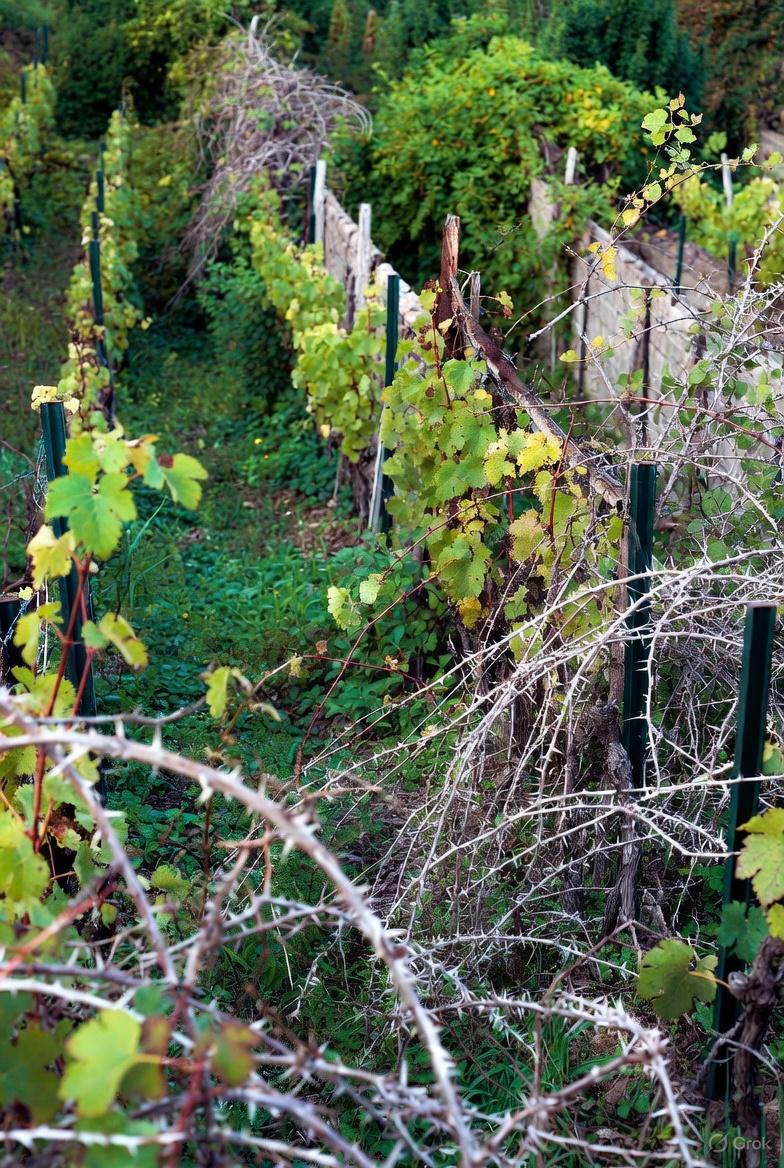
The sixth saying (24:30-34): I walked by the field of a lazy person, the vineyard of one with no common sense (24:30 NLT). Thorns had come up everywhere, the ground was covered with weeds, and its stone wall was broken down (24:31 BSB). Then, as I looked and thought about it, I learned this lesson: A little sleep, a little slumber, a little folding of the hands to rest – and poverty will come on you like a thief, and scarcity will attack you like an armed robber (24:32-34 Hebrew). This passage is an extended satire on lazy people. This topic is one of the most extensively commented upon throughout the book of Proverbs (see Be – Don’t be Lazy). Laziness is the height of foolish behavior and deserves to be ridiculed. After all, it leads to difficult consequences for both the individual and the community, and it is easily corrected. The antidote is simple: hard work. Here a lazy farmer whose fields are in sad shape due to neglect. Thorns and weeds are everywhere, presumably crowding out the crop. Not only that, but the stone walls of the field are crumbling. The lesson is simple and obvious: neglect caused by laziness leads to unproductive fields, which leads to poverty.468
Dear heavenly Father, praise You for being so patient with me! Relationship with You is so important to cultivate. Neglecting one’s garden is not a good thing, but neglecting one’s relationship with You is extremely foolish. Your friendship is more valuable than any other treasure in the whole world because it brings real peace and true rest. Come to Me, all who are weary and burdened, and I will give you rest. Take My yoke upon you and learn from Me, for I am gentle and humble in heart, and You will find rest for your souls (Matthew 11:28-30). Friendship with You takes time to develop, and every moment of that time is well worth the effort to push aside daily tasks and to sit in Your presence, meditating on how special You are and reading Your Word to know You better. How graciously You give me wisdom when I seek it. But if any of you lacks wisdom, let him ask of God, who gives to all without hesitation and without reproach; and it will be given to him (James 1:5). We have a Kohen Gadol over God’s household. So let us draw near (Hebrews 10:19-22a). May we draw near to You our awesome and loving God, whom we love to praise now and thru all eternity! In Messiah Yeshua’s holy Name and power of His resurrection. Amen
Leave A Comment