




Paul’s Introductory Matters
1: 1-11
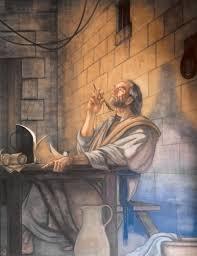
Almost all letters from the Greco-Roman period begin with a threefold salutation: The Writer, to the Addressee, Greetings. Very often the next item in the letter would be a wish (sometimes a prayer) for the health or well-being of the addressee. Paul’s letters, which generally follow this standard form, usually include a thanksgiving; in some of these cases, as here, he also includes a prayer report, as in Second Thessalonians 1:11-12 and Colossians 1:9-11. But in contrast to most of the ancient letters, which tend to be stereotyped, Paul tends to elaborate these formal items; and in doing so, everything Paul’s hands touches comes under the influence of the Gospel. In contrast to most extant letters from the Greco-Roman world, Paul’s introductory matters are quite long, usually made so because they are full of items that foreshadow the concerns of the letter itself. In this regard the apostle’s introductory comments are typical of him. All sorts of motifs and concerns within the letter surface initially here: the central focus of Yeshua and the Gospel, the language of servanthood and fellowship, the relational basis of this fellowship, Paul’s chains (and thus the motif of suffering), the future orientation of present life in Messiah, and the need for love and fruitful living in the present. In this introduction we will see: Bond Servants of Messiah Yeshua – 1:1-2 (to see link click Ak), The Elements of Joy – 1:3-8 (Al), and Paul’s Prayer for the Philippians – 1:9-11 (Am).
Leave A Comment