




Deborah’s Victory Song
5: 1-31
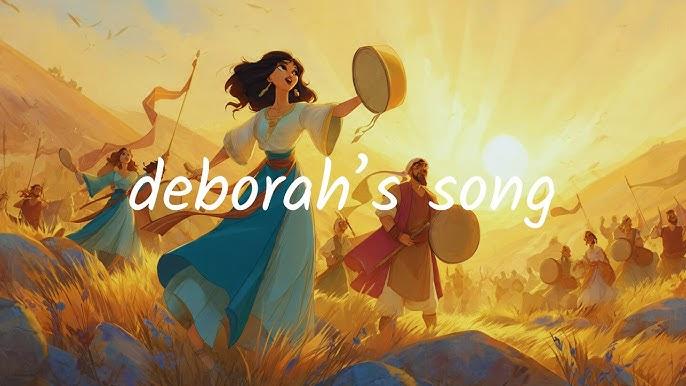
When the Jewish people wanted to celebrate special occasions, they often expressed themselves in song, so the author shifts from narrative prose to jubilant poetry. Future generations might forget what the history book said, but they were not likely to forget a festive song (cf. Exodus 15; Deuteronomy 32; Second Samuel 1:17-27, and Psalm 18). The personal pronouns in 5;7, 9, and 13 indicate that this was Deborah’s victory song, but just as Barak joined her in battle, so he also joined her in the victory celebration.97 The victory song of Deborah is universally acclaimed as a literary masterpiece. For forcefulness of expression and brilliance of imagery and style it has few rivals. Even in translation, the Hebrew still retains a vividness, an almost staccato effect of action and a spirit of sheer exultation that indicates a participant, or at least an eye witness. Her victory song is presumably included in the Book of the Wars of the LORD (see the commentary on Numbers Dj – The Book of the Wars of the LORD).98 The song progressively unfolds a poetic account of the battle between Isra’el and Sisera already encountered (see As – The Fourth Cycle: Deborah). This poetic version includes several details that were not revealed in the earlier prose account. At regular intervals this account is creatively intertwined with a series of exhortations, spoken by both singer and congregation, that praise ADONAI, call for the defeated foe to listen and reflect, and declare curses or blessings on various people in the song.99
Leave A Comment