

Af – Sh’ol

Sh’ol

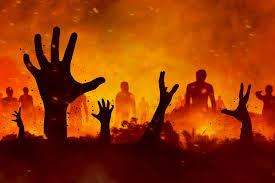
In the Dispensation of Torah (see the commentary on Exodus, to see link click DaThe Dispensation of the Torah), sh’ol (Hebrew) was the place of departed spirits. It had two subdivisions. The first was called Abraham’s side (a place of comfort and peace), or Paradise (Luke 23:43), and the second section was a place of torment (see the commentary on The Life of Christ HxThe Parable of the Rich Man and Lazarus). Only the Righteous of the TaNaKh went to be with Abraham, and only on the basis of faith in the God of Abraham, Isaac, and Jacob. And just like those in the Dispensation of Grace (see the commentary on Hebrews BpThe Dispensation of Faith), those without faith, go to a place of everlasting torment, which in the Brit Chadashah is called hades or hell (Greek). Salvation is always by faith (Ephesians 2:8-9). Those in Paradise stayed there until Messiah descended into sh’ol (hell) during the three days in which His body lay in the tomb, and led the Righteous of the TaNaKh into heaven (Ephesians 4:7-10). However, all those throughout the ages without faith will go to, and remain in, sh’ol (hell) until it is thrown into the Lake of Fire at the end of the Messianic Kingdom (see Revelation FpThe Lake of Fire is the Second Death). There, those who hate God will be in torment for all eternity.

Knowing this, what is our responsibility to evangelize others? As believers, we should want people to go to heaven. To that extent, we should all know how to present the Gospel message in a clear and concise way. But the urgency of our Gospel message is greatly enhanced when we realize what people are being saved from! We want to see people saved from eternal punishment, a punishment that never ends. Conscious existence in a body resurrected and suited for eternal punishment. I think we sort of comfortably distance ourselves from that reality. Certainly in general in the Church it is looked over and ignored. But in truth, it turns out to be the first thing that we talk about when we talk about the Gospel. What are people being saved from?

Today our society is so depraved that it imposes virtually no consequences on their behavior. People get so used to sinning without consequences that when you introduce the idea that they will pay in full, forever for every sin they have ever committed, that is just alien to their thinking. People sin without immediate consequences. And to try to convince them that there are somehow, down-the-road, decades from now (if they live that long), deferred eternal consequences is a hard sell. For example, you might tell someone: Because of your stubbornness and your unrepentant heart, you are storing up wrath against yourself for the day of God’s wrath, when his righteous judgment will be revealed (Romans 2:5). Unbelievers are not getting away with anything: No fornication, adultery, no sin in the mind, no sin in behavior, no lie, no deception, no cheating; unbelievers are not getting away with any of it. They are just storing up wrath. All of which will be confronted and justly punished forever by YHVH in a place called sh’ol (hell).

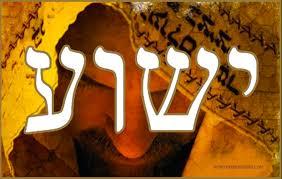
This is not new. Speaking of the faithfulness of ADONAI to discipline His people (see the commentary on Deuteronomy Ad – The Song of Moses), Moshe recorded: For My anger has been fired up. It burns to the depths of sh’ol (Deuteronomy 32:22a). Our Lord’s first sermon in the B’rit Chadashah was on sh’ol (hell). Yeshua is a hell-fire Preacher. On the Sermon on the Mount, He said: But I tell you that anyone who nurses anger against his brother will be subject to judgment; that whoever calls his brother, ‘You good-for-nothing!’ will be brought before the Sanhedrin; that whoever says, ‘You Fool!’ incurs the penalty of burning in the fire of Gei-Hinnom (Matthew 5:22, also see verses 29-30)! He speaks of the fiery sh’ol (hell) as if He assumed everyone already knew about it because sh’ol (hell) was a very well known part of their biblical understanding. Later Messiah declares: Do not fear those who kill the body but are powerless to kill the soul. Rather, fear him who can destroy both soul and body in Gei-Hinnom, the unquenchable fire, having no rest day and night (Matthew 10:28 and 38; Revelation 14:11b). Yeshua said that the Pharisees were guilty of producing sons of Gei-Hinnom and being sons of hell themselves (Matthew 23:15).

Yes, Yeshua Messiah was a hell-fire Preacher.

When we talk about salvation, the word sh’ol (hell) has to be used because we are talking about being rescued. Salvation is a word that means deliverance or saved. And the question is . . . saved from what? Contemporary society has corrupted this idea and offers many psychological and even material substitutes for sh’ol (hell). They say, “Well, Jesus wants to save you from loneliness, or He wants to save you from purposelessness, or He wants to save you from anxiety, or poverty, or failure, or sickness, or disappointment. No. He desires to save you from sh’ol (hell). The message of Scripture is that salvation is a rescue, a rescue from a real place called sh’ol (hell).

Yeshua talked more about sh’ol than everybody else in the Bible combined. And He defined it as conscious, eternal punishment. He continually spoke about it and He warned sinners to escape sh’ol (hell) because of its horrible reality. The Parable of the Rich Man and Lazarus mentioned above is a story about a rich man who went to sh’ol. Yeshua tells us that this is where the lost go after death, it was a place of torment, of thirst, of agony, and of fire. Once you’re there, you’re there forever. No escape. This is our Lord’s description of sh’ol. Was the Son of God wrong about that? No. Annihilationism (Soul Sleep) is not true, and universalism is also not true because the Bible teaches us that the ungodly are forever excluded from His presence.

Proof of that is in Matthew 25:46, where we see an inescapable, contrasting, parallel. These, our Lord says: will go off to eternal (Greek: aionion) punishment, but the righteous into eternal (Greek: aionion) life. Both words eternal are identical in Greek. So if sh’ol (hell) isn’t eternal then heaven isn’t eternal. If there is eternal life, then there has to be eternal punishment. Was our Lord wrong about this? If the Lord was wrong, why was He wrong? Was He ignorant of the truth? If He was, then He’s not the Lord of all. He’s not the way, the truth and the life (John 14:6). No. He wasn’t wrong and He wasn’t ignorant.

But precisely because of this eternal punishment, there are those who say, “Does the punishment really fit the crime?” Well, Ha’Shem determines that, doesn’t He? And YHVH has determined that the crime is heinous enough that it should be judged in this way. And that is the hurdle that most people have trouble getting over. How can a temporal sin or sins result in an eternal punishment? It seems excessive. Let me help you with that.

The amount of time that a sinner sins is irrelevant. If the sinner dies at fifteen-years-old, or thirty-five, or a hundred and ten; the amount of time a sinner sins is irrelevant. Crimes against the infinitely holy and exalted God are infinitely wicked and the punishment fits the crime. Infinite crimes against an infinite God deserve an infinite punishment. And here’s the key. Sinners go to sh’ol (hell) and never repent. Never. They continue to rebel. Every description of sh’ol (hell) indicates to us that it is not a remedial experience. It is not a place to reform sinners. It is punitive justice. They remain God-haters forever so that the punishment never catches up with the sin. In sh’ol (hell) they continue to curse God, blaspheme God, and despise Messiah. So the punishment never catches up to the sin because the sinning never, ever, stops. People don’t go to (sh’ol) hell and then never sin again . . . and just get punished over and over for what they did in this life. They go to sh’ol (hell) and keep on sinning forever, so the punishment never catches up with the sin (see the commentary on Jude AtEnoch, the Seventh Generation from Adam, also Prophesied about These People)!

The Bible says: Someone who blasphemes against the Ruach Ha’Kodesh never has forgiveness, but is guilty of an eternal sin (Mark 3:29). From a theological standpoint, we need to understand the nature of God. His honor and His glory can be clearly seen in the wicked. YHVH, because He is holy and because He is absolutely righteous and just, MUST punish sin. Read what Isaiah says about that: For just as the new heavens and the new earth that I am making will continue in my presence,” says ADONAI, “so will your descendants and your name continue. Every month on Rosh-Hodesh (new moon) and every week on Shabbat, everyone living will come to worship in My presence,” says ADONAI. “As they leave, they will look at the corpses of the people who rebelled against Me. For their worm will never die, and their fire will never be quenched; but they will be abhorrent to all humanity” (Isaiah 66:22-24). It is the character of God that is at stake. So sh’ol (hell) is God’s hell where He punishes those who refuse to give Him honor and glory. They will remain forever rebellious, God-haters, lovers of sin and blasphemers of the Ruach. They act against His mercy, His grace, and His sovereignty.

Finally, the Bible speaks of sh’ol (hell) in very specific words: agony, banishment, brimstone, contempt curse, darkness, deprivation, destruction, distress, eternal, fire, teeth-grinding, guilt, hopelessness, loneliness, pain, suffering, pressure, prison, punishment, ruin, separation, shame, smoke, sulfur, torment, trouble, trash heap, and weeping. There are many roads to sh’ol (hell). In one sense, every sinner goes there on the road of his or her own sinful choices. They go there on the road of pride, or they can go on the road of lust. They can go as a self-righteous religious leader or they can go as a killer. There are many roads to sh’ol (hell). On the other hand, there is only one way to escape (sh’ol) hell. For God so loved the world that He gave His one and only Son, that whoever believes in Him shall not perish but have eternal life (John3:16).

How do you evangelize people? In the parable that Jesus told about the rich man and Lazarus, the rich man, who was being tormented in sh’ol (hell), is seen pleading with Abraham, saying: I beg you, father, send Lazarus to my family, for I have five brothers. Let him witness to them, so that they will not also come to this place of torment (Luke 16:27-28). Abraham replied: They have Moses and the Prophets; let them listen to them. That’s a reference to Scripture. But he said: No, father Abraham, if someone from the dead goes to them, they will repent. This indicates that the rich man’s fate was not due to his being rich but his lack of repentanceAbraham said to the rich man, “If they do not listen to Moses, that is the Torah, and the Prophetswhich means the entire TaNaKh, then they will not be convinced even if someone rises from the dead” (Lk 16:29-31). Again, how do you evangelize people? You lead them to the holy Scriptures. They are the only persuasive means that the Ruach Ha’Kodesh uses to regenerate and rescue lost souls from sh’ol.6

2025-08-26T22:42:21+00:000 Comments

Ae – Yeshua and Proverbs

Yeshua and Proverbs

In Yeshua Messiah are hid all the treasures of wisdom and knowledge (Colossians 2:3), and He is our wisdom (First Corinthians 1:24 and 30). Solomon was the wisest ruler who ever lived, and yet Yeshua is greater than Solomon in both His wisdom and His wealth (Matthew 12:42). Certainly all the beautiful qualities of wisdom described in Proverbs are seen in Yeshua Messiah, and His earthly walk is a pattern for all of God’s people to follow (1 John 2:6).

The description of wisdom in Proverbs 8:22-31 suggests Yeshua Messiah as the eternal wisdom of God, but that isn’t the main thrust of the passage Solomon personifies wisdom as the joyful son of a father, a master craftsman, and reminds us that wisdom is one of God’s eternal attributes. ADONAI magnified His wisdom in the way He created the universe. The “laws of nature” that form the basis for modern science were “built into” the universe by the wisdom of the LORD. When we honestly study creation, no matter what branch of science we follow, we’re only thinking God’s thoughts after Him. Messiah, the eternal creative Word, was there in the beginning (Jn 1:1-5; Heb 1:1-4; Col 1:15-17). Wise people learn the eternal “wise principles” of life built into creation and seek to obey them.4

Yeshua Messiah proclaimed Himself greater than Solomon, challenging His disciples to hear His incomparable wisdom. His superiority to Solomon and to His wisdom can be seen in the following contrasts, citing Solomon’s proverbs first and then the B’rit Chadashah references.

1. The Queen of Sheba testified to Solomon’s wisdom in this world (see the commentary on the Life of Solomon Bu – Solomon and the Queen of Sheba), but she will rise at the judgment to conform people for not listening to Messiah’s superior wisdom (Matthew 12:46).

2. Solomon taught his disciples to wait for ADONAI to repay wrongdoers, but Yeshua Himself will repay them (Proverbs 24:12; Matthew 25:41-46; Revelation 2:23, 20:12-13 and 22:12; Romans 2:6-8; Second Thessalonians 1:8; Second Timothy 4:14; First Peter 1:17).

3. Solomon depended on ADONAI to discipline those He loves, but Yeshua Himself disciples those He loves (Proverbs 3:11-12; Revelation 3:19).

4. Solomon taught that those who share with the poor will be rewarded by ADONAI, but Yeshua identifies Himself with, and as the poor, is the one who rewards those who sacrifice for them (Matthew 25:31-45).

5. Solomon focused on health and wealth now and minimized present sufferings; Yeshua focused on present suffering for righteousness and maximized future, eternal glory (Prov 3:1-10 and 34; Mt 5:3-12 and 25:1-13).

6. Solomon is unclear about any offer of eternal life, but Yeshua is very clear about the eternal security of the believer (Proverbs 8:35; see The Life of Christ MsThe Eternal Security of the Believer).

7. Solomon motivates his disciples to please their parents, but Yeshua, while upholding the honor of parents, teaches His disciples to love the Triune God more (Proverbs 10:1, 19:13, 23:22-25, 27:11, 29:3; Matthew 5:45, 7:21, 10:32-33 and 37, 15:4, 23:9, and 25:34; Luke 9:60).

8. Solomon’s wisdom is a bubbling brook, but Yeshua offers streams of water within (Proverbs 18:4; see the commentary on The Life of Christ GpOn the Last and Greatest Day of the Feast).

9. Solomon offers a banquet of food and drink, but Yeshua Himself is the believer’s food and drink (Proverbs 18:4; John 7:38).

10. No human ascended into heaven to comprehend the whole, but Yeshua both descended from heaven and ascended into it (Proverbs 30:4; John 3:13 and 6:33).

11. Solomon depended in part on the sayings of others, but Yeshua speaks as the authoritative Son of Man from heaven (Proverbs 22:23; Matthew 12).

12. Solomon calls on his disciples to write his teaching on their hearts, but Yeshua sends His Ruach Ha’Kodesh to write ADONAI’s word on their hearts (Proverbs 3:3; Second Corinthians 3:3).

13. Solomon calls for obedience, but Yeshua’s Spirit empowers His elect to obey (Prov 1:20-21; Rom 8:1-8).

14. Solomon anticipates a future ideal king (16:10-15), but Yeshua’s is the Messiah (Matthew 27:37).

15. Solomon pointed to atonement by showing reliable love to others, but Yeshua showed such reliable love to His own that He died to atone for their sin (Mark 10:45; Second Corinthians 5:14).

16. Solomon himself failed to obey his wisdom, but Yeshua is the perfect example of His wisdom (Proverbs 3:2 and 25:26; First Kings 11:9-10; Luke 2:52; Hebrews 4:15).

17. Solomon himself is his kingdom, but Yeshua builds His (First Kings 11:10; Matthew 16:18).

18. Solomon called on his disciples to feed their enemies, but Yeshua died for His enemies (Proverbs 25:21; Romans 5:8).5

2025-08-26T22:29:21+00:000 Comments

Ad – Glossary

Abba: An Aramaic word used as an affectionate term of address to someone’s father. Yeshua used it to refer to God as His Father, and believers in Jesus also use it today to address God as Father. In modern Hebrew, this common name means Dad, Daddy, or Papa (also see Mark 14:36 and Romans 8:15).

Adar: the twelfth month of the Jewish biblical calendar.

Adonai: literally, my Lord, a word the TaNaKh uses to refer to God.

ADONAI: The Tetragrammaton, meaning the four-letter name of YHVH (Yud Hay Vav Hay). Since its pronunciation is not known, and also out of respect for God’s name, Jews traditionally substitute the words ADONAI and Ha’Shem. ADONAI, however, is more of an affectionate name like daddy (also see Exodus 3:15; Jeremiah 1:9; Psalm 1:2, Matthew 1:22; Mark 5:19; Luke 1:5; John 1:23).

ADONAI Elohei-Tzva’ot: the LORD God of heaven’s angelic armies. God does not have many names, as seen here and below, He has only one name – YHVH (Yud Hay Vav Hay). All the other names in the Bible describe His characteristics and His attributes.

ADONAI Elohim: This is the Hebrew word for LORD God. This title links Isra’el’s God, the God of the Covenant, with God as Creator of the universe (also see Genesis 2:4; Isaiah 48:16; Psalm 72:18; Luke 1:32; Revelation 1:8).

ADONAI Nissi: the LORD my Banner (see Exodus 17:15; Psalm 20:1).

ADONAI Shalom: the LORD of Peace.

ADONAI, The Angel of: He is called the Angel of ADONAI 58 times and He is called the Angel of God 11 times. This is never a common angel, but the second Person of the Trinity, Yeshua. This is always a reference to the pre-incarnate Messiah. Significantly, the rabbis teach that the phrase the Angel of ADONAI is sometimes used to denote God Himself.

ADONAI Tzidkenu: the LORD our Righteousness.

ADONAI-Tzva’ot: The LORD of heaven’s angelic armies (see Joshua 5:13-15; Second Kings 19:31; Psalm 24:10; Second Corinthians 6:18).

Adversary, The: Satan, the devil, the prince of the power of the air, and the old dragon.

Afikomen: Literally, “That which comes after.” Piece of matzah that is hidden during the Seder, to be found and eaten after the third cup of redemption.

Amen: At the end of a prayer, this word means, “It is true,” or “Let it be so,” or “May it become true,” indicating that the readers or listeners agree with what has just been said. Although everything Yeshua said was true, “amen” adds special emphasis (also see Deuteronomy 27:25; Jeremiah 28:6; Psalm 41:14; Nehemiah 8:6; Matthew 5:26; Mark 10:15; Luke 23:43; John 10:1).

Anti-missionaries: Today they are Orthodox Jews who champion Jews for Judaism. They do not limit their mischief to harassing missionaries; any Jewish believer is a target. It is unfortunate that so many of these anti-missionaries feel their ends justify certain unethical means. In order to “protect” Judaism, they do or encourage others to do what Judaism condemns. In Paul’s day, they were the Judaizers who wanted Gentile believers to add obedience to the 613 commandments of Moshe, circumcision, and eating kosher to Paul’s salvation equals faith-plus-nothing gospel.

Ariel: lion of God, or fireplace on God’s altar.

Aviv: the first month of the biblical year, corresponding to the modern Jewish month of Nisan.

Avraham: Abraham

Azazel: a scapegoat or goat demon sent out in the wilderness on Yom Kippur.

Ba’al: the chief male god of the Phoenicians and Canaanites. The word means lord or master.

Bar Mitzvah: Hebrew for “Son of the Commandment.” Although not specifically mentioned in the Bible, it is a Jewish coming of age ritual in which a young man, or Bat Mitzvah for a young woman, chooses to follow the commandments of their forefathers and takes responsibility for their own relationship with the God of Isra’el. This ceremony normally takes place at age 13 for boys or age 12 for girls. Afterwards, he/she is theoretically considered to be an adult, but in modern Judaism this is mostly symbolic, and a twelve-year-old is not treated like an adult.

Beit-Lechem: Bethlehem, the birthplace of David and Yeshua, meaning house of bread.

Bnei-Yisrael: The children of Isra’el.

B’rit Chadashah: Hebrew for the New Covenant. Christians commonly call it the New Testament.

Challah: Challah is a special bread of Ashkenazi Jewish origin, usually braided and typically eaten on ceremonial occasions such as Shabbat and major Jewish holidays. Ritually acceptable challah is made of dough from which a small portion has been set aside as an offering.

Chesed: “mercy,” “lovingkindness,” and/or “covenant-loyalty.” It is a complex word that summarizes God’s complex and overwhelming love for His people, going beyond the concepts of love, mercy or kindness all together (also see Isaiah 63:7; Zechariah 7:1; Psalm 13:1; Psalm 86:1; Psalm 107:1; Psalm 118:1; Psalm 136:1).

Clear oil: In the oil pressing process this would have been oil from the first of three or pressings. The first pressing, most likely done by adding one stone weight to a wooden bean which then put pressure onto a bag of olives by being forced downward by the weight, was the one which produced the purest oil. This was traditionally the oil used in the Temple.

Cohen of Ha’Elyon: Priest of the God Most High.

Cohen: A priest, a man who offered sacrifices and performed other religious rituals at the Temple in Jerusalem.

Cohanim: The Cohanim were descended from Aaron, the brother of Moses. The Sadducees were from this priestly sect of Judaism.

Cohen Rosh Gadol: The Great High Priest who served as the head religious official, the only one to enter the Most Holy Place. Aaron, the brother of Moses, was the first man appointed as the Cohen Gadol. In later times, the Cohen Gadol was in charge of the Temple and its administration. The Cohen Gadol Caiaphas, played a key role in questioning Yeshua at His trial. The writer of Hebrews describes Messiah as our great Cohen Gadol, who gives us access to God’s throne in the heavenly sanctuary (also see Leviticus 21:10; Haggai 1:14; Nehemiah 3:1; Matthew 26:57ff; Mark 14:61ff; John 18:19ff; Hebrews 4:14ff and 10:19-22).

Covenant: Theologically, it speaks of the contractual relationship between God and His people. The Hebrew term is b’rit. Also see B’rit Chadashah, Hebrew for New Covenant (see Genesis 6:18 and 17:2; Jeremiah 31:30; Nehemiah 9:32; Matthew 26:28; Mark 14:24; Luke 1:72).

Defile, or tam’ei in Hebrew: This is not a sinful condition, but a condition of life. From this we can see that being tam’ei is merely a state of being unable to participate in the Temple service until cleansed because the person has come into contact with the realm of sin and/or death, not necessarily because the person has sinned himself.

Diaspora, the Dispersion: the scattering of the Jewish people in exile throughout the world. Today almost 7 million Jews live in Isra’el, and over 8 million more Jews live in the Diaspora (also see Isaiah 11:10; John 7:35).

Diviners, Babylonian: Hebrew: gezar, primarily means to cut or divide. The term conveys a sense of separation or determination, often implying authority or finality in a decision being made. They were important in a theocratic society that was shaped by divine and royal decrees.

Drash: A drash is a long d’var.

D’var: Is a short talk on topics relating to a parashah, the weekly Torah portion.

Echad: The Hebrew word for “one” or “unity.” Echad is used in the Shema (Deuteronomy 6:4).

Elyon: A title for God, meaning the Most High God (see Luke 1:35 and 76; Acts 7:48). A longer form is El Elyon, God Most High (also see Deuteronomy 32:8; Isaiah 14:14; Psalm 91:1; Acts 16:17).

Elohim: God” in general terms, or as Creator. Compared with ADONAI, God’s “covenant name” used especially in His relationship to the Jewish people. Elohim is the plural form of El, also found in the Bible occasionally with the same meaning. Yeshua is sometimes called Ben-Elohim, the Son of God (also see Genesis 2:19; Isaiah 61:11; Matthew 4:3; Mark 1:1; Luke 1:35; John 11:4).

El Shaddai: God Almighty

Emissaries: Apostles

Enchanters, Babylonian: Hebrew: ashshaph, refers to a class or wise men who were often consulted for their ability to interpret dreams, signs, and omens, and as such, were key figures in the king’s advisory team.

God-fearers: These were Gentiles who became convinced that ADONAI was the only true God, they abandoned their paganism and idolatry, but they did not choose to become a proselyte in any form, and hence there was no adoption of Jewish customs or practices (see the commentary on Acts, to see link click Bb – An Ethiopian Asks about Isaiah).

Goyim: Nations, non-Jews, Gentiles

Gehenna: The word for “hell,” the place of perpetual misery and suffering after this life. It comes from the Greek word Genna and the Hebrew word Gei-Hinnom, which means the valley of Hinnom. There was actually such a valley by that name south of the Temple in Jerusalem. It was used as a garbage dump, and fires were always burning there, making it a suitable picture of life in hell. In Jewish sources, the term is used as the opposite of Gan-Eden, or the Garden of Eden or Paradise (Matthew 23:33; Mark 9:43).

Gentiles: A term for individuals or groups who are not Jewish. In Hebrew a common word for Gentile is goy or goyim is the plural form (see Isaiah 8:23; Matthew 10:18; Mark 10:33).

Go’el: Literally, a redeemer, used both for God and of people. In the book of Ruth, go’el means the kinsman-redeemer, a close relative obligated to defend and protect his kin. The go’el could buy back (redeem) land or someone who sold himself into slavery, and could marry a widow in the family in order to protect her future. The human go’el is a picture of God the greater Go’el who protects and redeems us, the members of His family (see Ruth 3:9-12).

Hag ha’Matzah: The Feast of Unleavened Bread

Halakhah: are mitzvot governing Jewish life and comes from the Hebrew root to walk. The rabbis used the term to refer to the legal way to walk out the commandments of the Torah. It can also refer to the Oral Law (see the commentary on The Life of Christ EiThe Oral Law). A (one) halakhah is a specific ruling given regarding a particular issue, “the halakhah” being the ruling accepted and observed by the Jewish community.

Hametz or Chametz: The Hebrew word for leaven, or yeast, which makes bread rise. God commanded Isra’el not to eat hametz during Passover, Yeshua teaches that both good and evil spread, the same way hametz leavens the whole batch of dough (Also see 16:6-12; Mark 8:15; Luke 12:1 Exodus 12:20; Leviticus 7:13; Amos 4:5; Matthew 13:33 and 13:21).

Hanukkah: Meaning dedication, the feast lasts eight days and commemorates the victory of the Maccabees over the armies of Antiochus Epiphanes in 165 BC and the rebuilding and dedication of the Temple after its desecration by Syrian invaders.

Hanukkiah: a candelabra specifically designed hold the nine candles on Hanukkah, one candle for each night and an extra candle in the middle, with which to light the other candles. The candles are lit from right to left.

Ha’Shem: The Tetragrammaton, meaning the four-letter name of YHVH. Since its pronunciation is not known, and also out of respect for God’s name, Jews traditionally substitute the words ADONAI and Ha’Shem. While ADONAI is more of an affectionate name like daddy, Ha’Shem is a more formal name like sir (also see Exodus 3:15; Jeremiah 1:9; Psalm 1:2, Matthew 1:22; Mark 5:19; Luke 1:5; John 1:23).

Hellenist: In the B’rit Chadashah, it refers to Jews who lived in the Diaspora, or had moved to Isra’el from the Diaspora, spoke Greek, and were more Greek in their culture, than traditional Jewish people brought up in Isra’el (Acts 6:1, 9:29, 11:20).

Immerse: To dip the whole body under water as an act of dedication to the LORD, or as a profession of faith in Yeshua. The word is often seen in other translations as “baptize.” The ceremony of dipping is called “immersion” or “baptism.” Yeshua’s cousin was known as John the Immerser (Matthew 3:1; Mark 6:14; Luke 7:20).

Imputation: To reckon or charge to one’s account. When the Spirit gives life (John 6:63a), that means that all the righteousness of Christ is transferred to your spiritual account at the moment of faith. What is true of Messiah is true of you, minus His deity.

Incarnation, The: The divine revelation (Hebrews 1:1-2) of YHVH becoming one with humanity as an ordinary human being in the person of Yeshua Messiah. He was one-hundred percent man and one-hundred precent God. The Triune God knew that the Second Person would come to earth to be subject to numerous evils: hunger, ridicule, rejection, and death. He did this in order to negate sin, and therefore, its evil effects.

Judaizers: Jewish false teachers, who taught that obedience to the 613 commandments of the Torah were necessary to have a relationship with God, and opposed Paul at every turn. Everywhere Paul went, the Judaizers were sure to follow. Once Paul established a church in Galatia, as soon as he left, they would come in and distort the gospel of Messiah (1:7).

Justification: The act of God whereby, negatively, He forgives the sins of believers and, positively, He declares them righteous by imputing the obedience and righteousness of Messiah to them through faith (Luke 18:9-14). It is not a reward for anything good we have done. It is not something we cooperate with God in (in other words, it is not sanctification). It is an utterly undeserved free gift of the mercy of ADONAI (Romans 3:24; Titus 3:7). It is entirely accomplished by God, once and for all, at the moment of salvation. It results in good deeds (James 2:14-26) and sanctification over our lifetime.

Kadosh: The Hebrew word for ‘holy.” This term describes the people set apart for God. ADONAI Himself is kodosh (Leviticus 19:1-2). Many letters to Christ’s newly formed communities (churches) address Yeshua’s followers as the Kedoshim (also see Jeremiah 2:3; Nehemiah 8:10; First Corinthians 1:2; Ephesians 1:1; Philippians 1:1; Colossians 1:2).

Kedoshim: The holy ones

Kippah: Known as a yarmulke or skullcap, a kippah is a head covering for Jews. The tradition to wear a kippah does not come from any biblical passage. Rather, it is a custom which evolved as a sign of recognition that there is Someone “above” who watches our every act.

Korban: The root of the word korban, can be translated to bring near. A korban, then, should be defined as something brought near. The reason it is so named is that the person bringing an offering did so in order to be brought near to God. It was a sacrifice or offering dedicated to God, especially to fulfill a vow. If something was to be dedicated to God, it generally could not be used for other purposes. Some Pharisees and teachers of the Torah wrongly used this as an excuse not to provide for their parents in their old age, even though Jewish teaching insisted that the commandment to honor one’s father and mother extended to providing for their physical needs (see Mark 7:11).

Kosher: Kosher foods are those that conform to the Jewish dietary regulations of kashrut, primarily derived from Leviticus and Deuteronomy. Food that may be consumed according to halakha is termed kosher in English, from the Ashkenazi pronunciation of the Hebrew term kashér, meaning “fit”.

Levite: Descendants of the tribe of Levi, who served in the Tabernacle and Temple as gatekeepers, musicians, teachers, and assistants to the priests. The scribes, or Torah-teachers, originally came only from among the Levites and were the forerunners of the Pharisees. They later expanded to include members who were from all tribes, with no affiliation with Levi required. (Also see Exodus 4:14; Ezeki’el 48:12; Ezra 1:5; John 1:19).

LORD: When the translators of the King James Bible in the 1600’s came to the Hebrew word YHVH, they needed to distinguish it from the word Lord, meaning master. So, they capitalized it. Therefore, LORD is actually the Tetragrammaton, meaning the four-letter name of YHVH.

LXX (Septuagint): The “official” Greek translation of the TaNaKh, dating from the third century BC through the fourth century AD. The original translation was of the Torah (the five books of Moshe), which the Letter of Aristeas records was allegedly made by seventy Jewish scholars in Alexandria (Egypt) from which it gained its name (Septuaginta). It is commonly referred to by the abbreviation, LXX (70).

Midrash: An ancient commentary on part of the TaNaKh, attached to the biblical text. It also offers existing and potential interpretations of Jewish halacha.

Magi, Babylonian: Hebrew: chartom, refers to a magician or wise man, often associated with the practice of interpreting dreams, or performing magic.

Malki-Tzedek: Melchizedek.

Mashiach (Hebrew): Messiah, the Anointed One (Matthew 26:63; Mark 1:1; John 20:31).

Matzah (singular) or Matzot (plural): Unleavened bread, which is made without yeast, eaten especially during the feast of Passover. Also see hametz (also see Exodus 13:6; Leviticus 2:5; Ezeki’el 45:21; Matthew 26:17; Mark 14:22; Luke 22:19; John 13:26).

Masoretic Text: The official text of the TaNaKh edited by the Massoretes, or Jewish grammarians, during the sixth to tenth centuries AD. This text is “pointed” with various vowel signs and accents which were lacking in the previous texts.

M’chitzah, the: The middle wall of separation (see the commentary on Acts Cn Paul’s Advice from Jacob and the Elders at Tziyon).

Megillah (singular) or Megillot (plural): The five books in the Writings used for special readings during the holidays: Song of Songs, Ruth, Lamentations, Ecclesiastes and Esther.

Menorah (singular) or Menorot (plural): It is simply the Hebrew word for “lamp.” The seven branched lampstand(s) designed and commanded by God for service in the Tabernacle/Temple (Exodus 25:32; First Kings 7:49; Zechariah 4:2).

Messiah (Greek): Christ, the Anointed One, often used in speaking of a Redeemer sent from God to free His people from exile and oppression (also see Matthew 1:16; Mark 8:29; Luke 2:11 and John 1:41).

Midrash (singular) or Midrashim (plural): allegorical interpretation or application of a text. The listener is expected to understand that the writer of the midrash is not expounding the plain meaning of the text, but introducing his own ideas.

Mikveh: a bath or pool with a flow of fresh water; used in Orthodox Judaism to this day for ritual purification or ceremonial cleansing, performed at various times in a person’s life (see Matthew 3:13 and Titus 3:5).

Mishnah, The: is the first major written collection of the Jewish oral traditions that are known as the Oral Law (see below)

Mitzvah (singular) or mitzvot (plural): Primarily a commandment from God in the Torah. (Deuteronomy 11:22; Second Kings 17:37; Proverbs 6:20; Matthew 26:10; Mark 14:6). Today, more modern meaning would be “a good deed,” more broadly, a general principle for living.

Moshe: Moses.

Olam haba: “The age to come,” or “the world to come.” It describes a time after the world is perfected under the rulership of Messiah. This term also refers to the afterlife, where the soul passes after death. It can be contrasted with olam ha-zeh, “this world” (Matthew 12:32; Mark 10:30; Luke 18:30 and 20:35; Ephesians 1:21; Hebrews 6:5; Revelation 20-21).

Omer: Meaning “sheaf,” the bundle of barley used in the Firstfruits offering. After the Temple period it came to be identified with Sefirat ha’Omer, or the counting of the omer, the counting of the days from Firstfruits to Shavu’ot.

Oral Law: The Oral Law refers to the Talmud, which is a compilation of rabbinic commentaries on the first five books of Moses, called the Torah. The Talmud, completed around 500 AD, consists of the Mishnah as well as commentary on the Mishnah called Gemara (Mishnah + Gemara = Talmud). The tradition grew to include a further compendium called Midrash until about the 12th century. The rabbis taught that when the Messiah came, He would not only believe in the Oral Law, but He would participate in the making of new Oral Laws (see the commentary on The Life of Christ EiThe Oral Law).

Pesach: Passover. The Jewish festival commemorating deliverance from Egyptian bondage. In Biblical times Jews used to journey to the Temple, sacrifice lambs there, and eat a special meal commemorating the departure of the Jews from slavery in Egypt. It was one of the three “pilgrimage festivals” that all able-bodied Jews were expected to celebrate before YHVH in Yerushalayim. Today, Passover is celebrated at home with a special meal called a seder. Yeshua celebrated Passover with His apostles (Matthew 26:18; Mark 14:12; Luke 22:7; John 13:1).

Pharisees: One of the sects of Judaism in the first century. The Pharisees had their own views of how exactly to keep Torah. They were especially concerned with ritual impurity and (unlike the Sadducees) they believed in the resurrection of the dead. While the Sadducees were more involved with the Temple, the Pharisees were concerned more with home and synagogue life.

Propitiation: The averting of God’s wrath by means of the substitutionary and efficacious (producing the desired effect) sacrifice (death) of Yeshua Messiah (the atonement). It is the work of Messiah that satisfies every claim of God’s holiness and justice so that Ha’Shem is free to act on behalf of sinners.

Proselytes at the Gate: There were three levels of Gentile relationship to Judaism. After God-fearers and proselytes of the Gate were the second level. The Gate was the middle wall of separation (Ephesians 2:14) in the Temple compound that Gentiles were not allowed to go beyond under penalty of death (see the commentary on Acts Bb An Ethiopian Asks about Isaiah 53). These were Gentiles who adopted many Jewish practices like celebrating Shabbat and the feast of Isra’el, but did not become a full proselyte. Most of these were men because it didn’t require circumcision.

Proselytes of the Covenant: In the third level of Gentile relationship to Judaism (see above), there were proselytes of the Covenant. They entered into the Covenant of Sinai as a full Jew, so to speak. Most of these were women because this level required circumcision.

Purim: Meaning “lots,” is the holiday based on the story of Esther.

Qumran: A site overlooking the Dead Sea where Jewish sects lived in religious communities from 135 BC to 70 AD and from which we have numerous documents which are frequently referred to as the Dead Sea Scrolls. These texts include partial copies and fragments of most of the biblical books (the only whole copy is Isaiah), apocryphal writings such as Enoch, and texts produced by the community itself (the manual of Discipline and the Thanksgiving Hymns). The texts are referred to according to the number of the cave in which they were discovered (for example, 1Qs [Community Rule], 11Q Temp [Temple Scroll]).

Rasheet: One of several names for the Festival of First Fruits.

Redeemed: Setting free from slavery, buying back something lost, for a price.

Righteous of the TaNaKh: Old Testament believers.

Rosh Ha’Shanah: Hebrew for “Head of the Year.” Known as the Jewish New Year, or the Feast of Trumpets.

Ruach: The Hebrew word for “spirit,” “breath,” or “wind.” Yeshua explains wind and Spirit to Nicodemus in John 3:5-8. Scripture frequently refers to the Ruach Ha’Kodesh, the Holy Spirit (Exodus 35:31; Numbers 11:25; Malachi 2:15; Acts 2:2 and 10:44; Romans 8:4-17).

Ruach Ha’Kodesh: The Hebrew name for the Spirit of God, or the Holy Spirit (Isaiah 63:11; Psalm 51:13; Matthew 1:20; Mark 1:8; Luke 1:16; John 14:26).

Sadducees: One of the sects of Judaism in the first century. From the Sadducees came the leading priests who managed the affairs of the Temple. In contrast to the Pharisees, they did not believe in the resurrection of the dead (Matthew 16:12; Mark 12:18; Luke 20:27).

Sanhedrin: Literally, the gathering of the seated, like being a judge seated on a bench – a legal term for an officiating judge. This was the Supreme Court of ancient Isra’el. It exercised legislative and judicial authority (Matthew 26:59; Mark 15:1; Luke 22:66; John 11:47).

Sanctification: To be set apart, specifically, to the holy use and purposes of God. It is a process that takes a whole lifetime. It is the work of God in which you cooperate (Romans 12:1-2; First Corinthians 10:13; Hebrews 12:3-4; First Peter 5:8-9); and is a process Ephesians 4:11-16), trusting in God, apart from whom we can do nothing (John 15:5; Ephesians 3:16; Colossians 1:11; Hebrews 2:18 and 4:14). He who began a good work in you will carry it on to completion until the day of Christ Jesus (Phil 1:6).

Septuagint: The Septuagint is the Greek translation of the Hebrew Scriptures and was presumable made for the Jewish community in Egypt when Greek was the common language throughout the region. It is also called the translation of the Seventy because tradition states that the Septuagint was translated by seventy rabbis. In academia, the Septuagint is often abbreviated as LXX (the Roman numeral for seventy) in honor of this translation.

Shabbat: The Sabbath Day, the seventh day of the week, when work ceases. On this day God’s people are beckoned to rest and renew our relationship with our Creator, who also rested on the seventh day. Shabbat begins on Friday evening at sundown and ends Saturday evening after three stars appear (Exodus 20:10; Nehemiah 9:14; Matthew 12:10; Mark 1:21; Luke 23:56; John 9:14).

Shaddai: A common name for God in the TaNaKh, usually translated as Almighty. The name is often used in a combination such as El Shaddai, or God Almighty (Genesis 17:1; Ezeki’el 1:24; Job 11:7).

Shall be cut off: This phrase may mean that the person is stoned to death, or that he is barred from returning to the Tabernacle or Temple to offer sacrifices. This person would be cherem, literally set apart for destruction, either physically or culturally.

Shaliach: A legal representative, meaning one who is sent.

Shalom: The Hebrew word for peace, wholeness, wellness and true happiness; it is a greeting used when meeting or departing (Genesis 26:31; First Samuel 16:4; Second Chronicles 18:16; Matthew 10:13; Mark 9:50; Luke 1:28; John 14:27).

Sh’khinah glory: The visual manifestation of the glory of God.

Shavu’ot: the festival of Weeks (Hebrew) or Pentecost (Greek), since it comes seven weeks after Pesach; also called Pentecost, from the Greek word for fifty because one counts fifty days after Passover. It is one of the three “pilgrimage festivals” that all able-bodied Jews were expected to celebrate before YHVH in Yerushalayim. It originally celebrated the harvest, but later commemorated the day God gave the Torah to Isra’el. After Yeshua’s resurrection, the disciples waited for God’s gift of the Ruach Ha’Kodesh, which also came on Shavu’ot (Exodus 34:22; Second Chronicles 8:13; Acts 2:1 and 20:16; First Corinthians 16:8).

Sh’ol: The Hebrew equivalent of the Greek “Hades,” the place where the dead exist.

Shofar: A ram’s horn, used in the Bible for summoning armies, calling to repentance, and in other situations. Blasts of various lengths and numbers signified different instructions. Metal trumpets were also used for similar purposes, but exclusively by the cohanim. Today, the shofar is used on Rosh ha-Shanah of Yom Kippur, the Jewish High Holy Days. The shofar also ushers in the Year of Jubilee (Leviticus 25:9-10; Zechariah 9:14; Matthew 24:31; First Corinthians 15:52; First Thessalonians 4:16-17).

Sinai: the mountain in the desert between Egypt and the land of Isra’el.

Shuwb: turn, turning, and the big idea of Jeremiah.

Son of Man: A name that Yeshua commonly used to refer to Himself. It comes from Dani’el 7:13-14, in which the Son of Man is given all authority. This name sometimes emphasizes Yeshua’s humanity and sometimes His deity (Matthew 9:6; Mark 9:31; Luke 21:36; John 6:27).

Sorcerers: Hebrew: kashaph, refers to the use of drugs, potions, or spells and is associated with “sorcery” or “witchcraft.”

Sukkot: the festival of Booths or Tabernacles, celebrating the forty years when the people of Isra’el lived in booths, tents, shacks, in the desert between Egypt and the land of Isra’el. The Hebrew word sukkah means booth and sukkot is the plural and means booths. Sukkot is one of the three “pilgrimage festivals” that all able-bodied Jews were expected to celebrate before YHVH in Yerushalayim (Leviticus 23:34; Zechariah 14:16; Second Chronicles 8:13; Matthew 17:4; Mark 9:5; Luke 9:33).

Synagogue: A place of assembly for Jews for hearing the Torah, praying and worshipping God. There were many synagogues throughout Isra’el and the Greco-Roman world (Matthew 4:23; Mark 5:22; Luke 4:16; John 9:22).

Tabernacle: A temporary dwelling, such as the booths constructed during Sukkot. It is also used in the TaNaKh of the tent in which God dwelt among the Jewish people, both in the wilderness and in the land of Isra’el. When the word is used as a verb, it refers to Yeshua coming to dwell among His people (John 1:14), reminding us of the wilderness Tabernacle and also of the Feast of Tabernacles (Exodus 25:9; First Chronicles 6:17; John 1:14 and 7:2).

Talmid (singular) or Talmudim (plural): Student or students.

Talmud: The codified body of Jewish Oral Law; includes literary creations, legends, scriptural interpretations, comprised of the Mishnah and the Gemara.

TaNaKh: The Hebrew word TaNaKh is an acronym, based on the letters T for “Torah“, N for “Nevi’im” (Prophets), and K for “Ketuv’im” (Sacred Writings). It is a collection of the teachings of God to human beings in document form. This term is used instead of the phrase, “the Old Testament,” which sounds “old” and outdated.

Torah: Literally, this Hebrew word means teaching or instruction (Exodus 13:9; Isaiah 2:3; Psalm 1:2; Matthew 5:17; Mark 1:22; Luke 24:44; John 7:19; Romans 7:1ff; First Corinthians 9:20-21; Galatians 3:21). It can be used for the five books of Moshe, or more generally to God’s commandments, or the whole TaNaKh (John 10:34). Uncapitalized, torah can be understood generally as a law or principle (Romans 7:21-8:2).

Torah-Teacher: A Torah scribe engaged in interpreting and transmitting the Torah. They wrote Torah scrolls, bills of divorce, and other legal documents. The Hebrew term is sofer.

Tree of Life: The tree at the center of the garden of Eden (Genesis 2:9, 3:24), the source of eternal life. Scripture points to a future in the B’rit Chadashah, with access to the Tree of Life. In the meantime, the Torah is like the Tree of Life to those who embrace her, and blessed will be all who hold firmly to her (Proverbs 3:18 also see Revelation 2:7, 22:2 and 14).

Tzedakah: Is a Hebrew word meaning righteousness, but commonly used to signify an ethical obligation to do what is right, and is commonly used to signify charity.

Tzitzit: A fringe that was put on a garment in accordance with Numbers 15:37-41.

Tziyon: Zion, Mount Zion, was originally the City of David, south of the modern Old City of Yerushalayim. Later the name Tziyon came to refer metaphorically to the Temple Mount, Jerusalem, or the people of Isra’el. The hill now called Mount Tziyon was given its name in the fourth century AD (Isaiah 1:27; Psalm 65:2; Matthew 21:5; John 12:15).

Yarmelkes: see Kippah.

Yeshivah: The Hebrew word yeshivah comes from the word that means sit and it signifies a place for learning Torah. The Greek word schole, which gives us the English word school means lecture hall. No English word really comes close to the real meaning of yeshivah, but the Yiddish word shul, or school, comes the closest.

Yeshua: The Hebrew name for our Messiah, known in English as Jesus, and is a masculine form, and a word play on yeshu’ah (salvation) (Matthew 1:21; Mark 6:14; Luke 2:21; John 19:19).

Yerushalayim: Jerusalem.

Y’hudah: Judah.

YHVH: The Tetragrammaton, meaning the Name, the four-letter name of God. Therefore, God does not have many names, He has only one name – YHVH (Yud Hay Vav Hay). All the other names in the Bible describe His characteristics and His attributes.

Yisra’el: Isra’el.

Yochanan: John.

Yom ha’Bikkurim: One of several names for The Feast of Firstfruits.

Yom Kippur: The Day of Atonement, the close of the High Holy Days, and considered the holiest day of the year in traditional Judaism.

2026-03-30T13:01:14+00:000 Comments

Ac – Proverbs from a Messianic Perspective

Proverbs from a Messianic Perspective

To Ruth Johnson, my grandmother. If the word wisdom could be bound up in one person, it would be her. Never harsh, always loving, she would continually give me wise advice, if not by her words, then by her actions. Such a brave, wise woman. I was fortunate to know her.

The Wisdom Literature: The Bible supplies evidence that three classes of teachers existed in ancient Isra’el. They are mentioned in Jeremiah 18:18: Come, let’s make plans against Jeremiah; for the teaching of the Torah by the priest will not cease, nor will counsel from the wise, nor the word from the prophets. So come, let’s attack him with our tongues and pay no attention to anything he says (18:18). And in Ezeki’el 7:26: They will look in vain for a vision from the prophets. They will receive no teaching from the priests and no counsel from the elders. The priest had the duty of providing the community with instruction (Torah) in the practices of religion, in the narrower meaning of the term (Malachi 2:7) the function of the prophet was to communicate to the people the divine word or vision which he received from YHVH, and in additionthere were the wise or the elders who imparted counsel, guidance in the secular affairs of life.

What especially differentiate the wise or the elders from the other two was the absence of divine authority. The priest’s responsibility was to adhere, and make the people adhere, strictly to the God-revealed code which regulated the national worship; the prophet claimed to speak in the name of God, but the wise taught what they believed to be true and right. They never presumed to insert “and ADONAI says . . .” in their messages. They sought the godly life and taught their disciples what this consisted of.

If, however, the wise lacked the seal of unquestionable authority possessed by the priest and the prophet, the authorization for the validity of their teaching was its harmony with the principles of Torah and prophecy. In no way did they regard themselves as hostile to the other classes of teacher, but rather as supplementing their instruction. They found it possible to establish closer contact with the masses, especially the youth, and were the means of translating into concrete and specific terms the way of life spoken of in the Torah. If they specifically deal with what we should call secular life, it is always within the orbit of religion, recognizing that no sharp dividing line exists in Judaism between the secular and the religious. The identification of the two in their [thinking] is emphasized in the maxim which may be considered the distinctive motto of these teachers: The fear of ADONAI is the beginning of knowledge. As there is a literature of priests and of prophets, so is there a literature of these wise men. It has been given the title: Wisdom Literature. Three works of this category are incorporated in the biblical Canon: Proverbs, Job, and Ecclesiastes.

The book of Proverbs: No selection of the Wisdom Literature so distinctly illustrates its characteristics as Proverbs. Its main contents formulate rules of practical ethics, [or a blueprint for living], which was a special concern of the wise. In it are also found discourses on moral philosophy which typify the discussions addressed by these teachers to their students. The personal note is often struck by the affectionate words of my son, so that we gain the impression of being in the presence of [a father] and listening to his words of advice and pleading.

The book presents unmistakable evidence of not being one continuous work, but rather, as we might expect from the character of its material, the compilation of a number of documents. The clearly marked divisions are: I. The purpose of Proverbs (to see link click AiThe Fear of ADONAI is the Beginning of Wisdom), giving the title and the motto of the book; II. followed by the first collection of proverbs (see Aj Proverbs to the Youth). III. Then a second collection of proverbs (see BqThe First Collection of Solomon’s Proverbs); IV. followed by Thirty Sayings of the Wise (see CyThirty Sayings of the Wise). V. The third collection of proverbs begins with an editorial note: These are more Proverbs of Solomon, which were copied by the men of Hezekiah, king of Judah (25:1 BSB) (see DfProverbs of Solomon Copied by Hezekiah’s Men). VI. Proverbs the sayings of Agur (see DtThe Sayings of Agur) and VII. the sayings of King Lemuel (see DwThe Sayings of King Lemuel).

Author and Date: The initial passage (1:1-7) has the appearance of being written by the hand of the compiler as a foreword to the book as a whole. The last two chapters, which bear signs of the later stages of the Hebrew language and differ in style and contents from the rest, are undoubtedly an addendum. The question then begs, what reliance can be placed upon the belief that Solomon wrote the bulk of the chapters? A rabbinic teaching asserts that the Israelite king wrote Song of Songs in his youth, Proverbs in middle-age, and Ecclesiastes towards the end of his life (Midrash Shir ha-Shirim I:1 and 10). The tradition that Solomon was renowned for his wisdom is attested to in the life of Solomon (see AvHappy is the One Who Finds Wisdom). We are specifically told that Solomon composed some 3,000 proverbs. We also read of the elders who had served Solomon during his lifetime. Those elders undoubtedly had the benefit of Solomon’s own wisdom (First Kings 10:8). There is, consequently, the belief that the book of Proverbs may, at least, have had its beginnings in the reign of Solomon and embodies material composed by the king and his wise men. It seems plausible, therefore, that Proverbs is not work of one author, but a collection of ethical writings originating from the age of Solomon, first edited during Hezekiah’s time, and issued in its final form with the combination of additional writings at a later date, perhaps by the Sopherim, the scribes who succeeded Ezra (see the commentary on The Life of Christ EiThe Oral Law).

Characteristics: To polish commonplaces and give them a new luster; to express in a few words the obvious principle of conduct, and to give clear thoughts an even clearer expression; to illuminate dimmer impressions and bring their faint rays into focus; to delve beneath the surface of consciousness to new veins of precious ore, to name, discover, and bring to light latent and unnamed experience; and finally to embody the central truths of life in the breadth and terseness of memorable phrases – all these are the opportunities of the author. And to take advantage he must be a thinker, an accurate observer, a profound moralist, a psychologist, and an artist as well.

The sages who impart their doctrines in this book do not stand on a lofty height and preach impracticable ideals. On the contrary, their attempt is to step down to a level which is easily accessible by the majority of people [you might say, putting the cookies on the bottom shelf, so they are easy to get to]. Nor do they deal in vague abstractions, but apply the test of common sense and verifiable experience. They believe in the fundamental idea that the morally defective and willfully perverted stand in their own light, deny themselves the real joys of living, bring avoidable troubles upon their own head and, though they may at times have a temporary triumph, ultimately fall. On the other hand, to conduct oneself in the light of wisdom means to get the best out of life, discover the sources of strength which will assure final victory over the calamity and evil of this world and become a blessing to oneself and society. Such, reduced to its simplest terms, is the message of these wise men of Isra’el.

Lastly, two outstanding features of their teaching must be noted. First, naturally, being Hebrews, they use the Hebrew language. Wisdom, or morality is defined as the fear of ADONAI (1:7); the highest excellence of character in the ideal woman is similarly described as a woman who fears ADONAI (31:30) and the same would apply to the ideal man; a favorite term for an unethical act or a vicious person is an abomination to ADONAI (3:32, 6:16, 11:1, etc). Sin is rebellion against God’s will and mankind is accountable to Him for their deeds. Thus, God’s curse is in the house of the wicked, but He blesses the home of the righteous (3:33).

Nevertheless, no passage is addressed exclusively to the Hebrew. The tone of the book is strikingly universal throughout. The word Isra’el only occurs once, in 1:1 introducing the proverbs of Solomon the son of David, king of Isra’el. But the Hebrew word adam, meaning man, occurs thirty-three times. Its teaching is applicable to all men and women everywhere and is true of life generally and not of any particular people or country. The book of Proverbs is the Hebrew handbook offered to all travelers along the road of life.

Secondly, the fullness of outlook is indeed remarkable. No phase of human relationship seems to be overlooked. The king on his throne, the tradesman in his store and the farmer in the field, husband, wife, and child all receive wholesome instruction and encouragement. Advice is tendered on the treatment of friends, the poor, the rearing of children, the snares which lurk in the path of youth, the perils of overconfidence and selfishness by standing in the place of others. These and other possibilities provide occasion for wise counsel, based upon the central doctrine that wisdom is a tree of life for those who take hold of her; those who hold her fast will be blessed (3:18).

Parallelism: Proverbs is written entirely in poetic style. The predominant structure feature of Hebrew poetry is so-called poetic parallelism. Usually the two poetic lines in a verse have a parallel relationship. Therefore, Hebrew poetry does not rhyme, but there is a kind of “thought-rhyme” in which the second line echoes the first, but in a variety of ways. Many proverbs have been regarded as using one of three main types of parallelism, and this remains a helpful place to start.1

In synonymous parallelism, the terms or units of thought in one line are paralleled by similar terms or units of thought in the second line. Sometimes every unit in one line is matched in the next line (for example 1:2 and 2:11). This is called complete synonymous parallelism. Other times only some of the units in one line are matched in the next line (for example in 1:9 the words they will be are not matched in the second line. This is called incomplete synonymous parallelism. In most synonymous parallelism, the second line is merely conveying a similar idea to the first, with only a slight variation. Proverbs 18:15 is a good example. The heart of the discerning acquires knowledge, and the ear of the wise seeks knowledge.

In antithetical parallelism one line is the opposite of or contrasts with the other line (for example 10:1 and 11:1). Most of the verses in Chapters 10 to 15 are antithetical. It is often expressed by the conjunction but, as in 13:6. Godliness guards the path of the righteous, but wickedness undermines the sinner (13:6).

In synthetic parallelism the second line simply continues the thought of the first line. Sometimes the second line gives a result of the first line (for example 3:6 and 16:3), and other times the second line describes something in the first line (for example 6:12 and 15:3). Sometimes one lives gives preference over what is referred to in the other line. There are nineteen such better . . . than verses (12:9; 15:16-17; 16:8, 16, 19, 32; 17:1 and 12; 19:1 and 22; 21:9 and 19; 22:1; 25:7 and 24; 27:5 and 10; 28:6). How much worse or how much more is another kind of parallelism (11:31; 15:11; 17:7; 19:7 and 10; 21:27). But generally, synthetic parallelism is found when the second line is neither expressing the same idea, nor contrasting the truth, but rather developing the idea of the first line into a fuller one by taking one step further. Proverbs 19:14 is a good example. A house and wealth are inherited from ancestors, but a sensible wife is from God (19:14).

Not all verses in Proverbs have two lines. Some have three (for example 1:27; 6:13 and 17; 27:2; 30:20 and 32-33; 31:4), and one verse even has six lines (30:4). In the three-line verses, usually the first and second lines are related in some way and the second and third lines are parallel in some way. For example in 27:27 the second line is in synthetic parallelism to the first line, completing the thought, and the third line is in synonym parallelism with the second line. However, all three lines in 1:27 are all in synonymous parallelism.2

The alphabetic acrostic form is also found in the final poem of 31:10-31 (see DzWisdom for Women). Here each of the twenty-two verses begins with a different letter of the Hebrew alphabet and occurs in alphabetical order. While the discussion of parallelism can become very technical, most readers will find that identifying the kind of parallelism used in a proverb will help them to read it with more understanding.3

Biblical References: In writing Proverbs, I have used several different translations. Therefore, I will reference which translation I have used at the end of each verse, or couple of verses. However, sometimes I felt that the best translation was directly from the original language, or the Hebrew text. In those instances I will use the word “Hebrew.” In addition, when I use half of a verse from one translation, and half of a verse from another translation, I will also use the word “Hebrew.”

The use of ADONAI: Long before Yeshua’s day, the word ADONAI had, out of respect, been substituted in speaking and in reading aloud for God’s personal name, the four Hebrew letters yod-heh-vav-heh, variously written in English as YHVH. The Talmud (Pesachim 50a) made it a requirement not to pronounce the Tetragrammaton, meaning the four-letter name of the LORD, Yod-Hey-Vav-Hey, since the ancient manuscripts do not give any vowel sounds, and this remains the rule in most modern Jewish settings. In deference to this tradition, which is unnecessary but harmless, I will be using ADONAI where YHVH is meant. In ancient times when the scribes were translating the Hebrew Scriptures, they revered the name of YHVH so much that they would use a quill to make one stroke of the name and then throw it away. Then they would make another stroke and throw that quill away until the name was completed. His name became so sacred to them that they started to substitute the phrase the Name, instead of writing or pronouncing His Name. Over centuries of doing this, the actual letters and pronunciation of His Name were lost. The closest we can come is YHVH, with no vowels. The pronunciation has been totally lost. Therefore, the name Yahweh is only a guess of what the original name sounded like. Both ADONAI and Ha’Shem are substitute names for YHVH. ADONAI is more of an affectionate name like daddy, while Ha’Shem is a more formal name like sir. Therefore, Jews, being respectful of the Third Commandment, use these words as replacements. The Talmud explains, “In the Sanctuary, the Name was pronounced as written; but beyond its confines a substitute Name was employed (Tractate Sotah VII.6). God has only one name, YHVH. All His other “names” like ADONAI Elohei-Tzva’ot, ADONAI Elohim, ADONAI Nissi, ADONAI Tzidkenu, and ADONAI-Tzva’ot, merely reflect His attributes.

Contrary to what some religious groups say today, no one can say with confidence how to pronounce God’s Name. The “name” Jehovah, for example, is a made-up word by a Franciscan monk in the dark ages. He took YHVH, and inserted vowels between the known letters to invent a new word: YeHoVaH. Jews never, NEVER, use this made-up word. The last book of the B’rit Chadashah tells us that when Yeshua returns to the earth, He will reveal the Name that no one knew but Himself (Revelation 19:12). It seems best to leave this lost pronunciation unresolved until the Messiah comes.

The use of TaNaKh: The Hebrew word TaNaKh is an acronym, based on the letters T (for “Torah”),N (for “Nevi’im,” the Prophets), and K (for “Ketuvim,” the Sacred Writings). It is the collection of the teachings of God to human beings in document form. The term “Old Covenant” implies that it is no longer valid, or at the very least outdated. Something old, to be either ignored or discarded. But Jesus Himself said: Don’t think I have come to abolish the Torah and the Prophets; I have not come to abolish but to complete (Matthew 5:17 CJB). I will be using the Hebrew acronym TaNaKh instead of the phrase the Old Testament, throughout this devotional commentary.

The Use of the phrase, “the righteous of the TaNaKh,” rather than using Old Testament saints: Messianic synagogues, and the Jewish messianic community in general, never use the phrase Old Testament saints. From a Jewish perspective, they prefer to use the phrase, “righteous of the TaNaKh.” Therefore, I will be using “the righteous of the TaNaKh,” rather than Old Testament saints throughout this devotional commentary.

2026-03-14T11:30:39+00:000 Comments

Ab – The Outline of Proverbs

The Outline of Proverbs

The basis for this commentary is Proverbs by Tremper Longman III.

Proverbs from a Messianic Perspective (Ac)

Glossary (Ad)

Yeshua and Proverbs (Ae)

Sh’ol (Af)

The Continuing Relevance of Proverbs (Ag)

Topical Index (Ah)

I. The Fear of ADONAI is the Beginning of Wisdom 1:1-7 (Ai)

II. Proverbs to the Youth – 1:8 to 9:18 (Aj)

A. Obey Your Parents – 1:8-9 (Ak)

B. Bad Company Corrupts Good Character – 1:10-19 (Al)

C. Lady Wisdom’s Rebuke of the Foolish – 1:20-33 (Am)

D. Seek Wisdom – 2:1-5 (An)

E. ADONAI Gives Wisdom – 2:6-11 (Ao)

F. Protection from Wicked People 2:12-22 (Ap)

G. Don’t Forget Wisdom – 3:1-4 (Aq)

H. Straight Talk about Trust – 3:5-6 (Ar)

I. Fear ADOANI and Turn from Evil – 3:7-8 (As)

J. Honor ADONAI from Your Wealth – 3:9-10 (At)

K. Do Not Despise ADONAI’s Discipline – 3:11-12 (Au)

L. Happy are Those Who Find Wisdom – 3:13-18 (Av)

M. ADONAI’s Wisdom Founded the Earth – 3:19-24 (Aw)

N. Wisdom in Relationships – 3:27-35 (Ax)

O. Get Wisdom – 4:1-9 (Ay)

P. Don’t Follow the Path of the Wicked – 4:10-19 (Az)

Q. Guard Your Heart – 4:20-27 (Ba)

R. Do Not Commit Adultery – 5:1-14 (Bb)

S. Be Faithful to Your Spouse – 5:15-23 (Bc)

T. Avoid Foolish Financial Entanglements – 6:1-5 (Bd)

U. Don’t be Lazy – 6:6-11 (Be)

V. What God Hates – 6:12-19 (Bf)

W. Torah is Light – 6:20-23 (Bg)

X. Warning Against Adultery – 6:24-35 (Bh)

Y. Avoid the Seductress – 7:1-27 (Bi)

Z. Lady Wisdom’s Call – 8:1-11 (Bj)

Aa. Those Who Seek Me Will Find Me – 8:12-21 (Bk)

Bb. Wisdom’s Existence before Creation – 8:22-31 (Bl)

Cc. Whoever Finds Me Finds Life – 8:32-36 (Bm)

Dd. Lady Wisdom’s Invitation to Life – 9:1-12 (Bn)

Ee. Madam Folly’s Invitation to Death – 9:13-18 (Bo)

III. Proverbs of Solomon – 10:1 to 22:16 (Bp)

A. The First Collection of Solomon’s Proverbs – 10:1 to 15:33 (Bq)

B. Lady Wisdom and Madam Folly – 10:1-16 (Br)

C. Discipline and Correction – 10:17-21 (Bs)

D. Where Your Treasure is There Your Heart will be Also – 10:22-26 (Bt)

E. Wise Words on Wise Speech – 10:27-32 (Bu)

F. Security Through Righteousness – 11:1-9 (Bv)

G. Security Through Wisdom – 11:10-15 (Bw)

H. Honesty and Justice – 11:16-22 (Bx)

I. Generosity and Blessing – 11:23-27 (By)

J. Certain Gain or Loss – 11:28-31 (Bz)

K. The Ways of the Wise – 12:1-14 (Ca)

L. Wise and Foolish Speech – 12:15-28 (Cb)

M. The Path of Righteousness – 13:1-6 (Cc)

N. The Light of the Righteous – 13:7-11 (Cd)

O. Wisdom is a Fountain of Life – 13:12-19 (Ce)

P. Spare the Rod Spoil the Child – 13:20-25 (Cf)

Q. Walking in Wisdom – 14:1-7 (Cg)

R. A Way That Appears Right – 14:8-14 (Ch)

S. Life or Death – 14:15-32 (Ci)

T. A Soothing Tongue is a Tree of Life – 14:33 to 15:4 (Cj)

U. Caring Enough to Rebuke – 15:5-19 (Ck)

V. Consequences of Righteousness and Wickedness – 15:20-29 (Cl)

W. The Second Collection of Solomon’s Proverbs – 16:1 to 22:16 (Cm)

X. We Plan, but God Determines Our Steps – 15:30 to 16:15 (Cn)

Y. Pride Goes before Destruction – 16:16-30 (Co)

Z. Gray Hair is a Crown of Honor – 16:31 to 17:6 (Cp)

Aa. A Friend is Always Loyal – 17:7-28 (Cq)

Bb. Wise and Foolish Speech – 18:1-21 (Cr)

Cc. Closer than a Brother – 18:22 to 19:23 (Cs)

Dd. The King’s Fury is Like a Lion’s Roar – 19:24 to 20:11 (Ct)

Ee. Words of Wisdom are More Valuable than Gold – 20:12-19 (Cu)

Ff. Trusting in ADONAI to Avenge Wrongs – 20:20-28 (Cv)

Gg. Justice is a Joy to the Righteous – 20:29 to 21:31 (Cw)

Hh. Train Up a Child in the Way He Should Go – 22:1-16 (Cx)

IV. Thirty Sayings of the Wise – 22:17 to 24:34 (Cy)

A. Prologue to Thirty Sayings of the Wise – 22:17-21 (Cz)

B. Sayings about Wealth – 22:22 to 23:11 (Da)

C. An Obedient Son – 23:12 to 24:2 (Db)

D. Standing Strong in the Storm – 24:3-12 (Dc)

E. Shun the Wicked – 24:13-22 (Dd)

F. Further Sayings of the Wise – 24:23-34 (De)

V. Proverbs of Solomon Copied by Hezekiah’s Men – 25:1 to 29:27 (Df)

A. Advice for the King – 25:1-10 (Dg)

B. Four Comparisons of Human Relationships – 25:11-14 (Dh)

C. How to Interact with Others – 25:15-28 (Di)

D. How to Deal with the Fool – 26:1-12 (Dj)

E. The Lazy Person – 26:13-16 (Dk)

F. Damage Done by Gossip and Slander – 26:17-28 (Dl)

G. About Friends and Friendship – 27:1-22 (Dm)

H. Caring for Flocks and Herds – 27:23-27 (Dn)

I. Torah and Wealth – 28:1-11 (Do)

J. ADONAI and Wealth – 28:12-28 (Dp)

K. Joy and Stability Through Righteousness – 29:1-7 (Dq)

L. Peace Through Righteousness – 29:8-15 (Dr)

M. Without Vision the People Perish – 29:16-27 (Ds)

VI. The Sayings of Agur – 30:1-33 (Dt)

A. The Prayer of Agur – 30:1-9 (Du)

B. The Wisdom of Agur – 30:10-33 (Dv)

VII. The Sayings of King Lemuel – 31:1-31 (Dw)

A. Wisdom for Leaders – 31:1-9 (Dx)

B. Wisdom for Women – 31:10-31 (Dy)

End Notes (Dz)

Bibliography (Ea)

2025-12-21T15:00:55+00:000 Comments

Aa – Proverbs, Wisdom for Everyday Life

Proverbs, Wisdom for Everyday Life

1. Look at the outline (Ab), and the Introduction (Ac) before starting on the commentary itself.

2. The DIG and REFLECT questions are in bold teal and will help to give you a deeper understanding of the book and make it more personal to you. Go slowly and give yourself time to answer these questions. They really strike at the heart of the commentary. What are the DIG questions for? To dig into the Scripture “story.” To find out what’s going on, to figure out the main idea, the plot, the argument, the spiritual principle, and so on. What are the REFLECT questions for? To apply the “story” in the Scripture to your own life; to take personal inventory and to decide what you are going to do about it! Many of the DIG and REFLECT questions are taken from the Serendipity Bible.

3. I would strongly suggest that you look up the references that are given in each section. Many times, this will greatly enhance the background, and hence, your understanding of the Scriptures that you are reading on a particular day. Take your time, read only as much as you can digest.

There are times when I refer you to either another file in Romans, or a file in another book of the Bible, to give you more detail on a particular person, topic, concept or theology. An example might be something like the Great Sanhedrin (see my commentary on The Life of Christ, to see link click LgThe Great Sanhedrin). If you feel you already know enough about the Great Sanhedrin, you can skip the reference and continue reading. But if it interests you, or if you don’t know what the Great Sanhedrin is, you can go to that file and read it first before continuing. It’s your choice. 

4. All Scripture is in bold print. The NIV is used unless indicated otherwise. However, sometimes the purpose of the bold print is merely for emphasizing a certain point. When bold maroon is used, it is for special emphasis. The words of Yeshua are bolded in red.

5. If not indicated otherwise, all citations in bolded teal are from the Soncino Commentary on Proverbs, by Rabbi Aaron Cohen, 1947.

6. Read the Scriptures for a particular day first, then skim the DIG or REFLECT questions, read the commentary and reflect on it; answer the DIG or REFLECT questions, then read your Bible again. Hopefully, it will have greater meaning for you the second time you read it. Then live it out.

7. We have added two new features to our site. First, at the top of the page you can choose to “Save This Pages as a PDF” by simply clicking on the red rectangle; secondly, at the bottom of the page we have added a “text to speech” feature. Just click on the triangle in the middle of the black circle and you can hear the entire file. To go to the next paragraph, either forward, or backwards, click on the double arrows.

8. You can download anything you want from this devotional commentary for bible study. Nothing can be sold © 2026 all rights are reserved by Jay David Mack, M.Div.

2025-08-25T18:43:10+00:000 Comments
Go to Top